
Gnats or Drain Flys?
Gnats can be a pesky nuisance, buzzing around your home and garden. While they might be small, their presence can be quite irritating. In this blog, we’ll explore where gnats come from, the different types, and effective ways to control their populations.
What Are Gnats?
Gnats are small flying insects that belong to various families, including fruit flies, fungus gnats, and drain flies. They typically measure about 1/16 to 1/8 inch in length and are often mistaken for mosquitoes. While they might not bite, their sheer numbers can make them a significant annoyance.
Where Do Gnats Come From?
Gnats thrive in moist environments, making them particularly prevalent in specific conditions. Here’s a breakdown of where they typically originate:
1. Indoor Sources
- Overwatered Plants: Fungus gnats are often found in potting soil of overwatered houseplants, where their larvae feed on fungi and organic matter.
- Food Sources: Fruit flies are attracted to ripe or rotting fruits and vegetables. Leaving food exposed can lead to an infestation.
- Dirty Drains: Drain flies breed in the organic matter that accumulates in drains, sewers, and compost piles.

2. Outdoor Sources
- Gardens and Lawns: Many gnats are drawn to moist, organic-rich soil, making gardens and lawns prime breeding grounds.
- Decaying Plant Material: Compost piles or mulch that retains moisture can attract various gnat species.
- Standing Water: Areas with stagnant water, such as puddles or clogged gutters, can also foster gnat populations.
Types of Gnats
Understanding the specific type of gnat you’re dealing with can help in controlling them effectively:
1. Fungus Gnats (Family: Sciaridae)
- Appearance: Small, dark-colored flies that are most often found in houseplant soil.
- Life Cycle: They lay eggs in moist soil; the larvae feed on roots and fungi, which can damage plants.
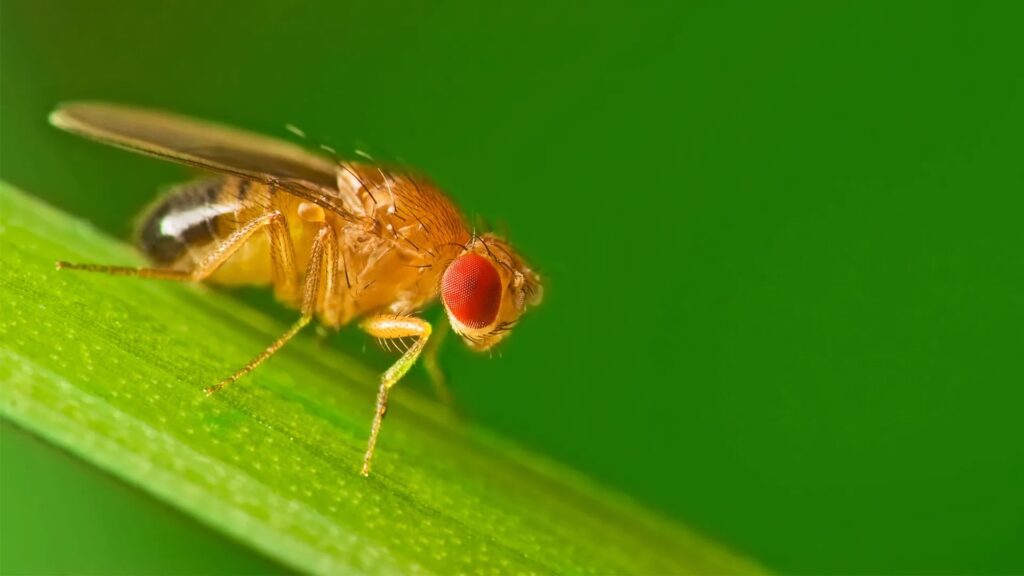
2. Fruit Flies (Family: Drosophilidae)
- Appearance: Small, tan or yellowish flies, often with red eyes.
- Habitat: Commonly found near ripe fruits and vegetables.
3. Drain Flies (Family: Psychodidae)
- Appearance: Tiny, hairy flies that resemble moths.
- Breeding Grounds: Thrive in moist environments, particularly in drains and sewage areas.


How to Control Gnats
Here are some effective strategies to reduce gnat populations in your home and garden:
1. Eliminate Breeding Grounds
- Indoor:
- For Fungus Gnats: Allow the soil of your houseplants to dry out between waterings. Use well-draining soil to minimize moisture.
- For Fruit Flies: Keep fruits and vegetables stored in the refrigerator. Clean up any spills and crumbs promptly.
- For Drain Flies: Regularly clean your drains and remove any organic buildup.
- Outdoor:
- Manage Water: Eliminate standing water around your home. Ensure proper drainage in your garden.
- Compost Care: Keep compost piles aerated and dry. Turn them regularly to reduce moisture buildup.
2. Use Traps
- Sticky Traps: Place yellow sticky traps near plants or in areas where you notice gnats. These will catch adult gnats and help reduce their numbers.
- Homemade Traps: Create traps using a mixture of apple cider vinegar and dish soap. The vinegar attracts the gnats, while the soap breaks the surface tension, trapping them.
3. Natural Predators
Introduce beneficial insects like nematodes in the soil to help control gnat larvae. These tiny roundworms are effective against fungus gnats.
4. Insecticides
If the infestation is severe, consider using insecticidal soap or other organic insecticides. Always follow label instructions and take care to protect beneficial insects.
5. Regular Maintenance
- Housekeeping: Maintain cleanliness in your kitchen and living spaces to prevent food sources for gnats.
- Gardening: Regularly inspect plants for signs of gnats and take immediate action if you notice any.
Conclusion
While gnats can be an annoyance, understanding their origins and habits can help you effectively manage and control their populations. By taking proactive measures, you can minimize their presence in your home and garden, allowing you to enjoy a more comfortable environment. Whether through eliminating breeding grounds, using traps, or introducing natural predators, a combination of strategies can keep those pesky gnats at bay!